

Summary
Block's Cash App agreed to pay $45 million to settle fraud protection allegations from 46 state attorneys general, while major banks including JPMorgan explore acquiring debit card networks to circumvent fee cap regulations, highlighting intensifying regulatory scrutiny in the US payments sector.
Cash App Settlement: A Wake-Up Call for Fintech Fraud Prevention
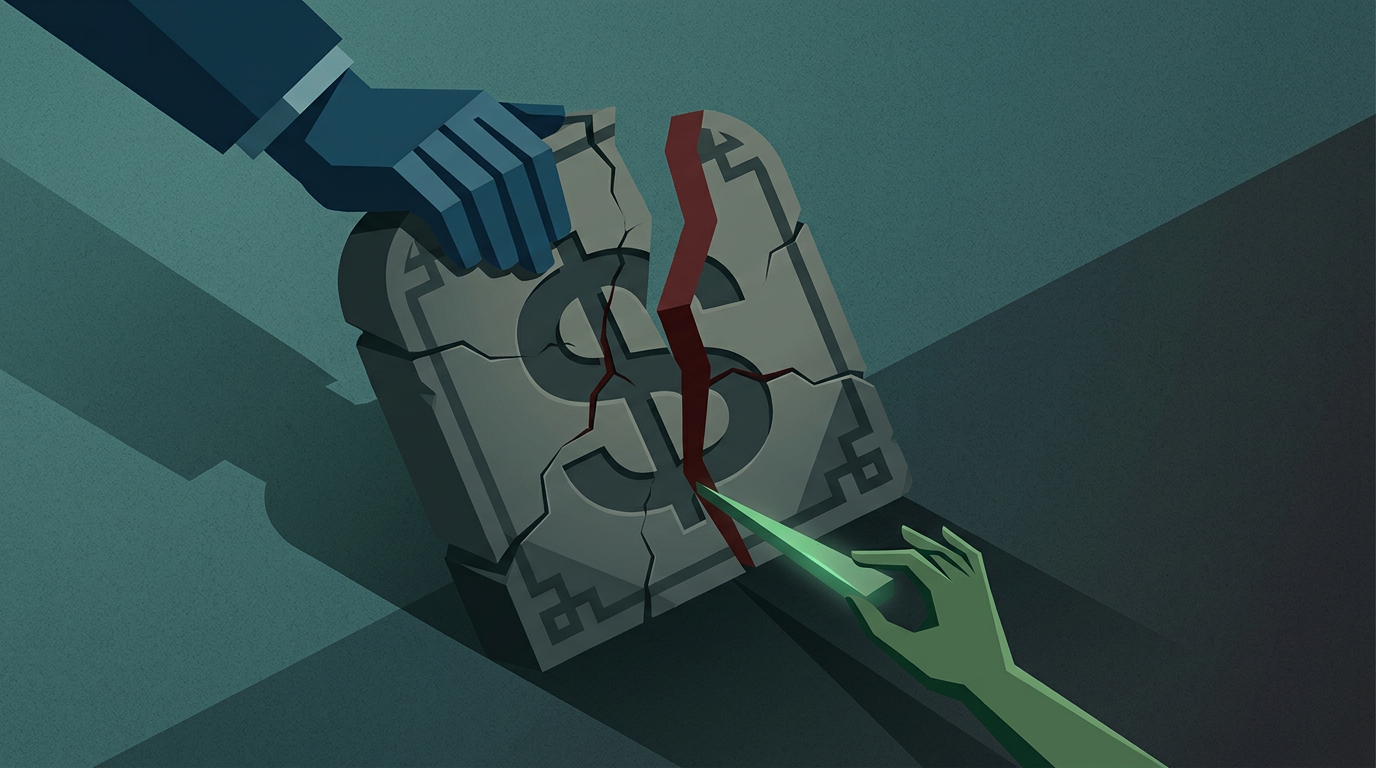
US payment regulation is experiencing a notable tightening. Block has agreed to pay $45 million to settle claims brought by 46 state attorneys general alleging that its peer-to-peer payments app, Cash App, failed to adequately protect users from fraud. This settlement marks the latest chapter in regulators' scrutiny of fintech business practices and reflects increasing oversight as more Americans rely on fintech apps as their primary banking services.
The investigation by state attorneys general uncovered multiple problematic areas in Cash App's operations. First, the platform was accused of misleading users by falsely advertising that it provided bank-like protections, including advanced fraud detection systems. Second, Cash App allowed users to create accounts without providing a Social Security number or date of birth, and placed no limits on the number of accounts a person could open. These lax requirements made it significantly easier for scammers to exploit the platform for fraudulent activities.
Perhaps most concerning were the deficiencies in customer service infrastructure. Because Cash App did not provide an official customer support phone number, many users who were locked out of their accounts turned to fake customer service numbers operated by scammers. This lack of proper customer service infrastructure not only failed to protect users but actually created additional opportunities for fraudsters to victimize Cash App customers.
Although Block has denied wrongdoing, the company agreed to implement a series of improvements. Under the settlement agreement, Block will enhance Cash App's fraud prevention measures and customer service, including by providing live customer support for users of the mobile payments platform. This commitment represents a significant shift in the company's approach to user protection.
Notably, this is not the first time Block has faced regulatory scrutiny over Cash App's business practices. Previously, the Consumer Financial Protection Bureau (CFPB) had similarly accused Block of failing to investigate fraud claims or provide adequate customer service, resulting in $175 million in penalties and other redress to consumers. This series of regulatory actions demonstrates that regulators are imposing increasingly stringent compliance requirements on fintech companies.
Banks Circumventing Fee Caps: Another Regulatory Battleground
While fintech companies face heightened scrutiny, traditional banking institutions are also navigating challenges in the payment regulatory landscape. According to reports, major banks including JPMorgan are exploring the possibility of acquiring debit card networks in an attempt to circumvent the Durbin Amendment's interchange fee caps that have been in place for over a decade.
The Durbin Amendment, enacted as part of the 2010 Dodd-Frank Act, placed caps on interchange fees that large banks could charge merchants for debit card transactions, aiming to reduce merchant costs and promote competition. However, the banking industry has continuously sought various ways to maintain their payment business revenues. By acquiring debit card networks, banks could potentially gain greater pricing power and market control, thereby offsetting some of the revenue losses from fee caps.
This strategy raises new concerns about competition and consumer protection in the payments industry. If major banks successfully acquire key debit card networks, it could lead to further concentration in the payment ecosystem, undermining the competitive environment the Durbin Amendment was originally intended to foster. Regulators will need to closely monitor these potential transactions and assess their impact on market competition and consumer interests.
Understanding the Deeper Drivers of Regulatory Tightening
The tightening of payment industry regulation reflects several important underlying trends. First, the rapid proliferation of fintech applications has led to an increasing number of consumers relying on these platforms for their daily financial activities. According to available data, a significant proportion of Americans use fintech apps as their primary or sole banking service channel. This dependency requires these platforms to provide security and reliability comparable to traditional banks.
Second, payment fraud problems are becoming increasingly serious. As digital payments have become ubiquitous, fraud techniques have evolved and escalated. From account takeovers to social engineering attacks, fraudsters exploit technological vulnerabilities and user trust to perpetrate scams. Fintech companies need to invest substantial resources in building robust anti-fraud systems, while regulators must ensure these companies fulfill their responsibilities to protect users.
Third, rising consumer protection awareness is prompting regulators to take more proactive action. Consumers are increasingly aware of their rights and more willing to file complaints with regulatory authorities. State attorneys general and federal regulators are responding to these concerns by imposing stricter compliance requirements on both fintech companies and traditional financial institutions.
Implications for the Industry and Digital Asset Services
The Cash App settlement and the controversy over banks circumventing fee caps provide important lessons for the entire payments industry. For fintech companies, compliance should not be viewed as optional or an afterthought, but should be integrated from the product design stage. Building robust anti-fraud systems, providing reliable customer support, and ensuring transparent user communication are baseline requirements, not competitive advantages.
For traditional financial institutions, strategies aimed at circumventing regulations may bring short-term gains but will ultimately damage industry credibility and invite even stricter oversight. Rather than seeking regulatory loopholes, institutions should focus on delivering genuine value and innovative services that benefit consumers and merchants alike.
For digital asset custody and wallet service providers, these cases underscore the importance of designing comprehensive user protection mechanisms. While blockchain technology provides certain inherent security features, user interfaces, identity authentication, fraud detection, and customer support still require careful design and ongoing investment. As digital assets gradually integrate into the mainstream financial system, regulatory attention to this sector will correspondingly increase.
The regulatory environment for digital asset services is evolving rapidly. Providers in this space should anticipate that standards similar to those applied to traditional payment platforms—regarding fraud prevention, customer service, transparency in communications, and account security—will increasingly apply to crypto wallets and custody solutions. Proactive compliance, rather than reactive responses to enforcement actions, will distinguish sustainable businesses from those that face costly settlements and reputational damage.
The Path Forward: Balancing Innovation and Protection
The payments industry is at a transformative juncture where technological innovation must be balanced with regulatory requirements. This is not merely about compliance costs; it is about building sustainable business models and maintaining user trust. Only companies that genuinely place user protection at their core will thrive in an increasingly stringent regulatory environment.
The Cash App case illustrates that rapid growth and user acquisition cannot come at the expense of basic security and customer service standards. Fintech companies must invest in infrastructure that scales not just transaction volume, but also fraud detection capabilities, customer support systems, and compliance frameworks. The cost of these investments is far less than the financial and reputational damage of regulatory enforcement actions.
For the broader financial services industry, including emerging digital asset platforms, the message is clear: regulators are prioritizing consumer protection and will hold platforms accountable for failures in this area. The specific technical implementation—whether traditional payment rails, fintech apps, or blockchain-based systems—is less important to regulators than the outcomes for users. Platforms that fail to adequately protect users from fraud, provide accessible customer service, or communicate transparently about risks and protections will face increasing scrutiny and potential enforcement.
As payment systems continue to evolve and new technologies emerge, the fundamental principles of consumer protection remain constant. Transparency, security, accessible support, and accountability are not optional features but essential elements of any payment platform that seeks to operate at scale in regulated markets. The companies that internalize these principles and build them into their operations from the ground up will be best positioned for long-term success in an environment of heightened regulatory attention.
Source: link